Türkçe, İngilizce, Almanca, Rusça, Fransızca, İspanyolca ve İtalyanca dil seçenekleri mevcuttur. ERPIS ERP toplam 52 dili destekler.
IF YOU DON'T READ, COMPARE, RESEARCH, ASK AND TAKE RESPONSIBILITY? We are not perfect either. But...
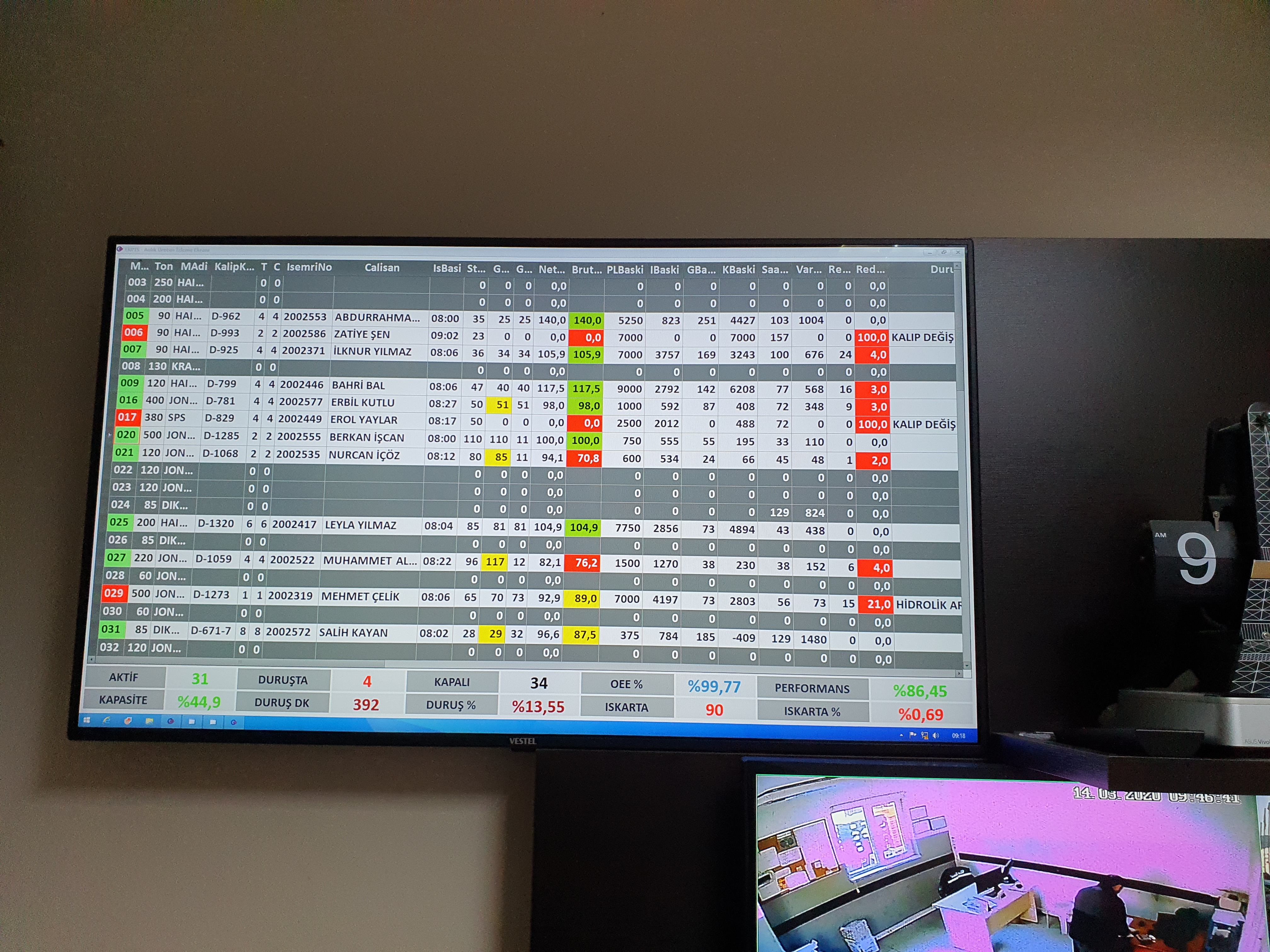
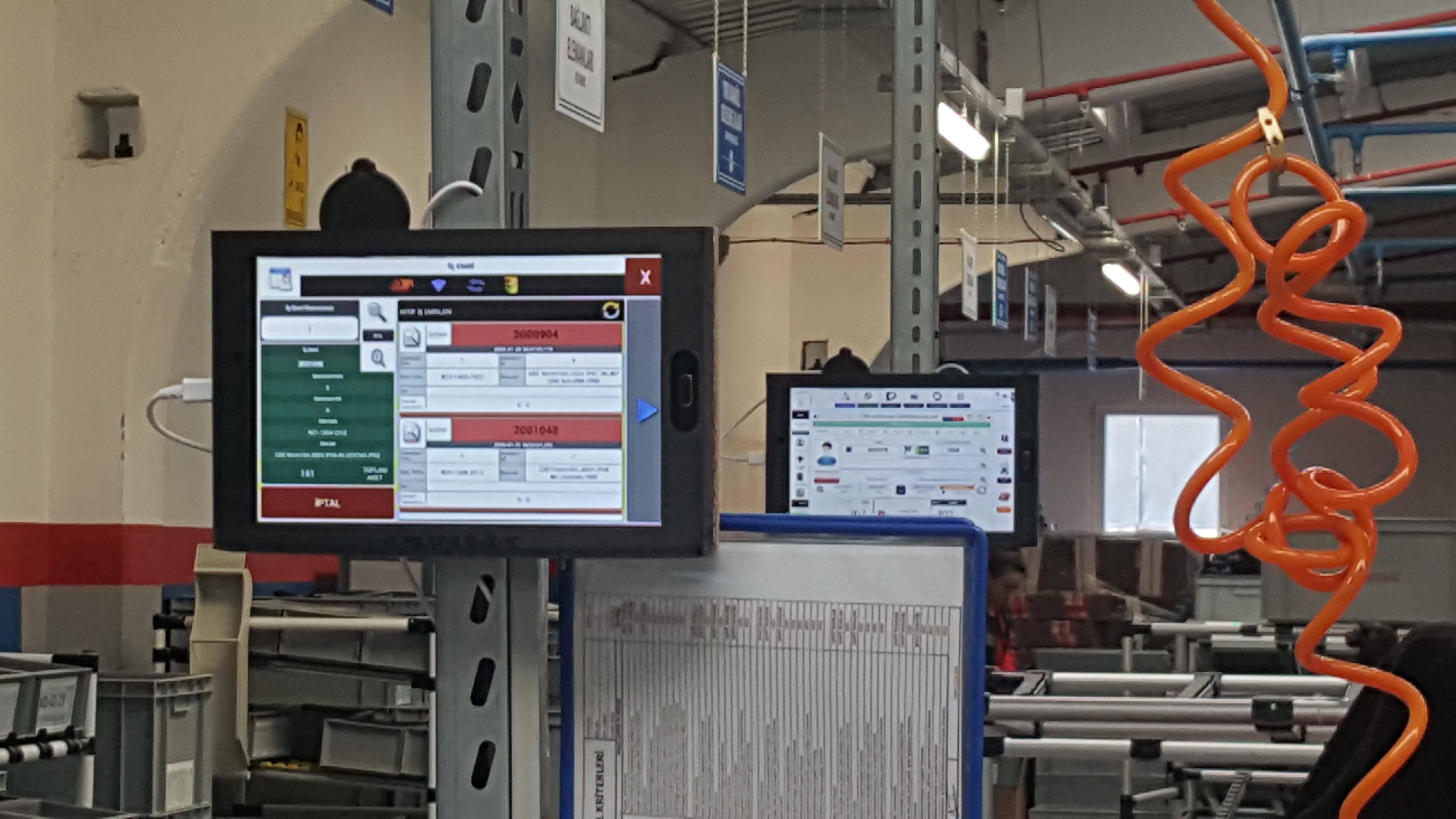
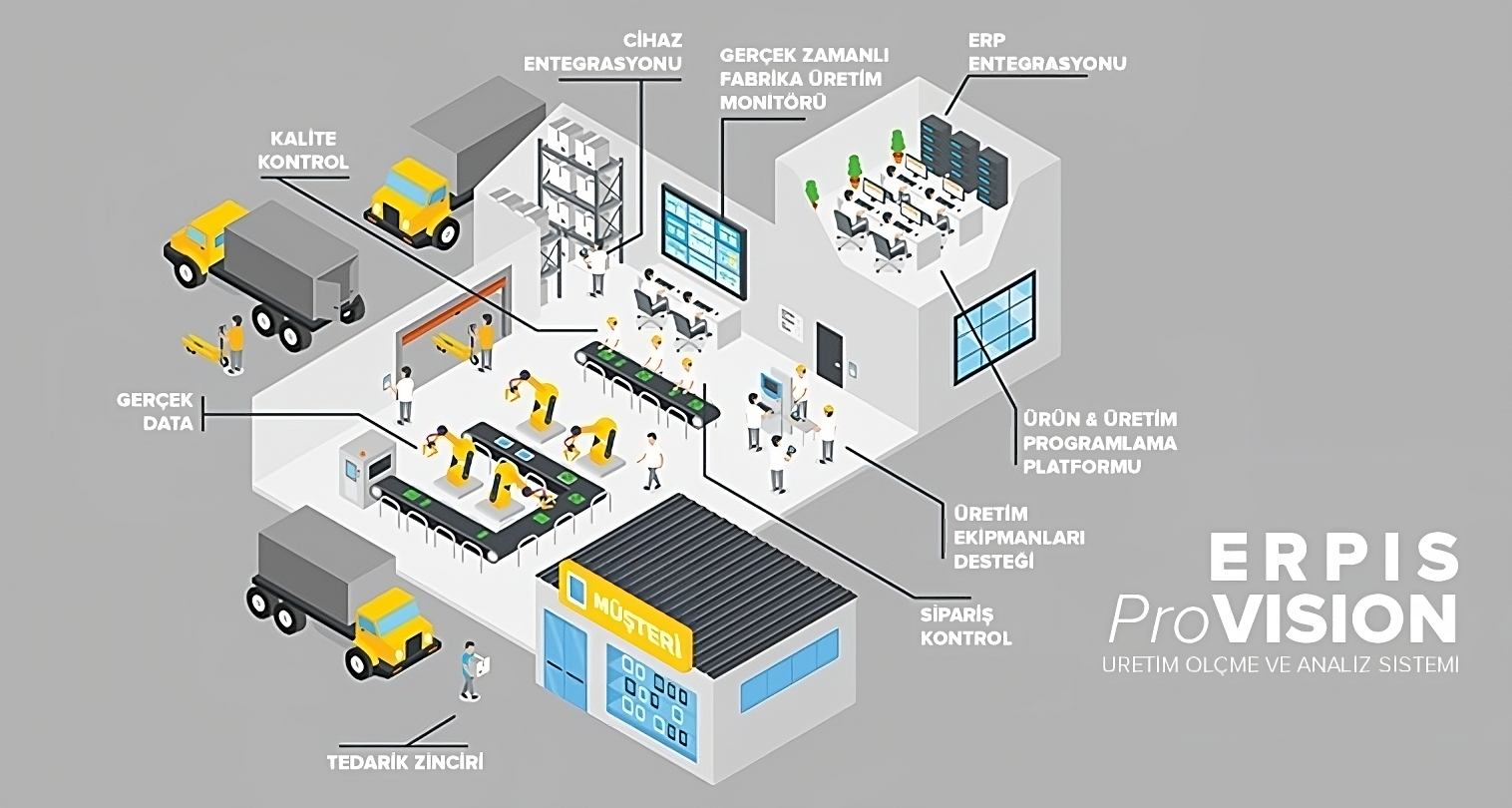
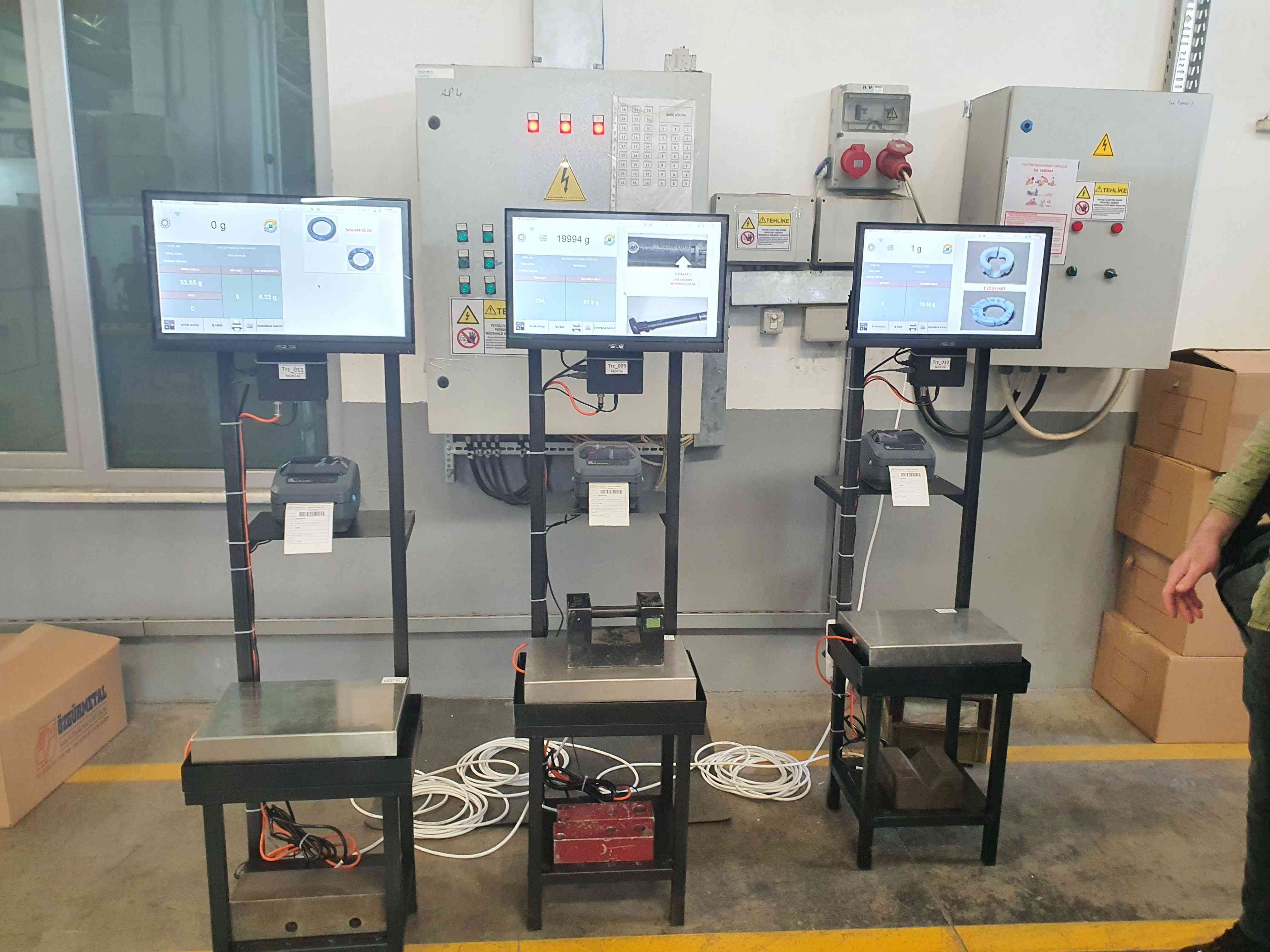
management. At the same time, it supports easy solutions with corporate memory and prevents unnecessary discussions thanks to silent communication and self-control. It meets many requirements and needs including international ISO 9001, IATF 16949, ISO 14001, ISO 45001, quality management and 8D, KAIZEN, WCM, VDA and continuous improvement systems. This program, which combines the experiences since 1987 , reduces the costs of businesses thanks to its economic and fast commissioning. Thanks to its simple and integrated structure, communication between modules works full-time and unlimited company codes, branch codes and cost centers can be opened with authorized personnel. In addition, data transfers, automatic transfers and consolidated reporting can be easily done. Consignment warehouse, external manufacturing tracking and e-banking transactions are also among the opportunities provided by the program. The start-up period of ERPIS ERP is between 10-50 days depending on the purpose of use. Basic data is transferred from Excel files to the program, thus shortening the commissioning period of the program. In addition, you can increase efficiency and manage your business more effectively thanks to e-transactions such as E-banking, e-invoice, e-delivery note. In addition, reports can be easily exported to Excel, PDF, etc. formats. The desired language support can be provided by taking English as a reference. In addition, new company or branch installations can be carried out in a few minutes. ERPIS ERP machine, mold, facility, calibration, laboratory and change management modules can be used for related work orders, traceability, fifo, life material tracking, product project management, mold project management, production and performance measurements. Document management, planning in production, quality, warehouse, maintenance and purchasing communications are carried out effectively and instantly. Its basic structure is production-oriented and when it works integrated with data collection systems (MES), it saves you from your costs, expenses and losses, and greatly increases efficiency. Thanks to its own data collection (MES), smart scales, textile quality meter and weight measuring device and integrated features such as personnel attendance control system, ERPIS ERP can increase the efficiency of businesses with the pull system in production. If you want to use an effective ERP system in your business to increase efficiency and avoid being an employment office, we can provide consultancy services to increase the efficiency of your business without depending on people.
After the MS Sql Database is installed, company information is defined. If needed, stock codes, machine codes, personnel registration numbers, company codes, product trees can be transferred from Excel or entered manually. After the ERP responsible is assigned, a work plan is made. Users are determined. Authorizations can be given from the beginning or during work. After training and printer formats are made, the system is ready for use. Program restrictions can be made from the beginning or later. Other company installations can be made by the authorized person in a few minutes. There is no need for a consulting company.
Email addresses and which companies they can work for are important in user information. Email addresses are mandatory for purchase requests. Another use case is registration, cancellation and warning systems where an email is requested (such as when calibration time comes, when stock amount falls below minimum stock, etc. an email should be sent to people). In transactions with points such as orders and delivery notes, no transactions can be made other than those who registered. If this is desired, an equivalent user must be defined.
It is done according to the authorization groups in the user information. It is based on company code. Form authorization is valid in the entire system. In certain cases, authorization can also be given on a button basis.
There is a default menu based on company code and program main headings. If desired, a user-based menu can be created. It is possible to make edits to the content of the menu main headings.
It is in the form of a branch, main department and sub-departments. It can also work line-based. All transactions are made with a sub-department code. The purpose here is for profit-loss and analysis such as which department bought what when, consumed what, produced what, sold what, who worked what why and for how long and which equipment was used. It is also used for tracking fixed assets, personnel and equipment belonging to the department. It is like a small company.
It is a grouping system used in summary reporting and analysis processes that can be given to the management. Instead of giving pages of reports, it is used to give what is possible on one page and to examine the details when necessary. It is mandatory to use it at certain points such as some stock codes and company codes. It is recommended to do it together with the team or the relevant department.
Information such as customer and supplier company information, risk definitions, sales representatives, responsible personnel, email addresses, branch and dealer communication, payment, transportation, documents (contract, quality, certificate,
etc.), currencies used (a single foreign currency is recommended), accounting integration are entered and tracked.
Basic information about the stock code, product tree, process information, customer special requests, related documents (technical drawing, specifications, error examples, technical, logistics, quality, maintenance, accounting, know-how, alternatives, life card, price information, production parameters (mold, machine, equipment), production times (mold, machine) are entered and tracked here. Semi-finished product and material requirements are calculated using BOM and the accuracy of the product tree is checked.
Basic information about the machine code, technical, outsourced service, outsourced work, spare parts, life card, competence, maintenance, connected equipment, setup information, energy consumption, location, related documents, emergency plans are entered and tracked here. In order to reduce errors in production planning, maintenance, quality and other processes, it is recommended to have fixed asset and business numbers and identifying information such as square barcodes on the machine.
Basic information about the mold code, technical, outsourced service, outsourced work, spare parts, life card, competence, maintenance, stamp, setup, location, related document, emergency plans, machines it works with and related production times, manufactured parts, mold lives, planned and periodic printing quantity information are entered and tracked here. In order to reduce errors in production planning, maintenance, quality and other processes, it is recommended to have fixed asset and business numbers and identifying information such as square barcodes on the mold.
Personal information, competencies, education, duty, employment status, status, department, contact, registration information, parameters required for wage calculation, documents (photo, contract, identity card, passport), personnel attendance control ID number, accounting integration, etc. are entered and tracked here.
When the basic information required above is entered or imported from Excel and the necessary training is received, ERPIS ERP becomes active. Depending on the performance of the employees and the infrastructure, the system can become stable within six months to a year.
Periodically, customer and supplier price agreements, dealer price lists are entered and tracked here. Automatic pricing, code conversions, price differences, price controls, price increase analyses are performed at points such as orders and invoices, and controls such as contracts and unit prices can also be performed depending on the parameters.
It is used for customer, supplier and internal company requests and suggestions. It is integrated with request, offer, order, invoice, project, budget modules and self-controls are made depending on the parameters.
Customer requests directly follow the rejection, feasibility, offer, project processes. There is document upload and email notification after approval in
purchasing requests.
Internal company requests are used to make requests from management or other departments (such as staff, machinery, mold, overtime, leave).
Offers given to the customer and received from the supplier and their documents, revisions, post-approval project transitions, analysis, offer comparison and evaluation analyses are done here. It is integrated with demand, offer, order, invoice, project and cost modules given to the customer.
Customer and purchase orders, order balances, order changes, analysis reports, related documents, approval processes, e-mail notification processes are done here. It is integrated with delivery note, quality, contract, change management. It can be imported from Excel and integrated with simedi.
Sales and purchase returns, external manufacturing, consignment and delivery note transactions are managed here. It is integrated with barcode, shipping order, stock scoring, order, quality, current stock amount, contract, change, risk, labeling management and e-delivery note. There are restrictions depending on the parameters (such as negative stock, prohibited parts, order, compliance control with shipping order, risk assessment).
Sales, purchasing, proforma invoices and their automatic pricing, calculation of price differences, e-invoice transactions, analysis reports are here. It is integrated with accounting, current, fixed assets, consignment, foreign manufacturing, price agreements, order, delivery note, import, export, investment, machinery, mold, modules. There are parameter-based restrictions (such as price control, not intervening in the price).
Transactions such as cash, bank, current, offset, check, promissory note, transfer, payment and collection management are performed here on a currency basis. Reports such as due receivables, official ledgers, balance sheets, account details, risk analyses, profit and loss, balance sheet, income statement, check and promissory note risk values are available. Since there is e-bank integration with banks, automatic or semi-automatic transactions and reporting can be received.
Long-term payables and receivables (rent, energy, wages) are entered here. A cash flow table can be created using data from long-term transactions and general accounting (cash, bank, check, promissory note, due date).
It is a module where fixed assets in the business and their incentive information, depreciation and revaluation calculations are made. It is integrated with invoice, investment, general accounting, mold, machinery, facility, forklift, etc.
It is a module to be used when an investment is made and the question of what the total cost of the investment is sought is sought. When the investment number is entered in invoice and accounting transactions, planned and realized comparison, budget control, payment, collection plans, warnings and reports are received. Documents, approval reports, dependent investments, incentive information are also tracked.
A card is opened for each declaration. Invoices and expenses connected to the card are entered. Cost calculation is made according to the criteria determined on the basis of stock code. It is integrated with invoice and general accounting. There is a current account tracking system independent of accounting. Bank transfer instructions can also be printed.
In export, documents such as shipping order and compliance control, packing list, loading instructions, bill of lading can be prepared.
It was made to track facility expenses and their maintenance plans. Analysis reports are received and it is integrated with the maintenance, stock and budget module.
Maintenance, repair costs, maintenance plans, life cards, critical spare parts tracking of forklifts used in the business are done here. Assigned jobs are tracked with the MES system and efficiency is increased, working hours, reports are received on who worked when and for what purpose. With automation, authorized and unauthorized personnel can be prevented from working.
The work done by the maintenance department and the performance of maintenance personnel can be monitored. It is integrated with the machine, mold, facility, personnel, warehouse and production module. Loss, reasons for downtime, source of the problem, how it was solved, energy consumption during downtime, replaced parts, critical spare parts can be monitored. The difference between notification and intervention time, the difference between notification and downtime, the difference between intervention time and job completion time can be measured.
Information such as waiting reasons and times, who worked how long on the job and what was done can be monitored. The daily energy and water consumptions of the business can also be monitored.
It is a module where vehicles are tracked based on license plates, and analysis reports can be obtained regarding tasks, legal processes, penalties, maintenance, work done during maintenance and parts changed, who used it when, for what purpose and for how much.
It is a module where the pre-approval processes of sold, produced and purchased parts are tracked. It is integrated with quality, stock, project, order, accounting and demand modules.
When approval is received, who gave the approval, relevant documents and reports are tracked. In case of request, if desired in the labeling system, automatic sample text is added to the approved parts and company lists with sample approval.
It is used to track parts that have been approved by customers and approved by supplier companies. In order to find approved parts easily, their locations are addressed, approval reports and documents are uploaded, and this information is also used in quality control reports.
In simple terms, it is a project tracking module. Project steps, team information, received documents, approved documents are tracked.
It is a module that tracks documents and modifications such as technical drawings and specifications in the business. To whom they are distributed, their currency in the places they are distributed, who received the modifications, currency control, molds, machines, facilities, stock codes, expiration and destruction information related to the document are tracked.
Changes suggested by customers or supplier companies are projected. Relevant team information, stock information, how stocks will be evaluated, documents received and given, the date on which the new modification will come into effect and approval processes are monitored.
It is used to monitor improvements. Documents before and after improvement, investments to be made for improvement and their amortization periods, team information, etc. are tracked.
In addition to the standard meeting tracking system, it is also used to track information such as the reasons for the meeting, those responsible for tracking, projects, and investments.
Parts approved by the customer and used in production are tracked. Options such as AQP approved parts, suspension of use of parts or automatic cancellation of them are available.
The devices used in production and approved for use by the quality department, the calibrations of these devices, their life cards, and their documents are recorded and monitored here. The company can prepare its own calibration report or have it done externally. The annual planning calendar is prepared automatically. There are reports and warning systems such as planned, realized, calibration, verification, MSA.
Standard and qualification reports are followed up by personnel who need to perform MSA. These reports are also followed up based on measuring device and stock code.
Stock code-based entry, process, final, laboratory quality control plans are prepared on the basis of modification number. Entry quality reports are prepared according to purchase orders, process quality work orders, and final quality is prepared according to entry quality, process quality and laboratory measurements and requests or instructions. It is integrated with error notifications and customer special requests.
It is the module where errors reported by the customer, detected in production or caused by the supplier are analyzed and tracked. It has very detailed information such as the source of the error, how it was solved, where it was detected, and whether it will be invoiced to the responsible party. It is integrated with 8D, Training, Maintenance, Deviation Form, CSL, Party Ban, Activity Tracking. Documents and images of errors can be uploaded, and analysis reports can be obtained.
It is recommended to open from error notification. 8Ds opened by the customer or the company are tracked here. It is integrated with error notification, training, maintenance, deviation form,csl, party ban, activity tracking. Documents and pictures of errors can be uploaded, analysis reports can be received.
It is recommended to open it from error notification. Deviation requests from customers and suppliers are tracked here. There are restrictions based on quantity and/or date. It is integrated with relevant modules and analysis reports are available.
It is recommended to open it from error notification. CSL opened from customer and supplier sources are tracked here. If there is a CSL, an automatic information note is added to the labels. It is integrated with the relevant modules and analysis reports are available.
It is under the control of the quality department. All shipments belonging to the stock code can be prohibited, as well as batch and packaging based. If there is a prohibition restriction in the delivery note transactions, shipment cannot be made. It is integrated with the relevant modules and analysis reports are available.
The analysis, source, solutions and evidence documents of errors detected by the quality department on customer lines, returned, in production or at quality points are entered and tracked here. It is integrated with the relevant modules and analysis reports are available.
Information such as which material will be used in which product and where it will be purchased, approved by the customer, approval and proof documents are entered and tracked here. It is integrated with the relevant modules and analysis reports are available.
Customer and supplier company evaluations are made automatically by taking into account quantity compliance, extra shipping, delivery compliance, system score, pp values. Extra shipping evaluation can also be taken from manual entries upon request. It is also possible to make evaluations outside of these criteria. Quality certificate validity periods can be taken into account in the evaluations.
179449 İATF standard format was taken as reference.
Customer, supplier, in-company audit plans are entered according to audit codes and transactions are carried out with mobile tablets, evidence documents, actions are entered and followed up here. It is integrated with relevant modules. Analysis and follow-up reports are available.
Information that needs to be followed can be collected here and dependencies on individuals can be reduced (such as management review, problem notification, meeting minutes and project assignments). Emails can be sent to responsible people and visual warnings can be given according to the deadlines.
179449 İATF standard is taken as reference. Manual recording can be done and it works integrated with modules such as error notifications, maintenance and faults.
It is the electronic version of the quality manual. Procedures, instructions, forms and their updates, archive, cancellation operations are followed here. Since original documents are uploaded, benefits are provided from tasks such as document loss, photocopy, distribution, update control.
...
It is a module where laboratory tests are monitored according to demand order and control plans. Test times,
where the tests will be performed, their specifications and documents are monitored here. It is also possible to calculate capacity according to criteria (such as demand, production).
Who received what training, training repetition times, training hours per person, training plans, standard and process trainings, training requests and analysis reports are tracked here. Training
codes, institutions and individuals providing training are defined. It is integrated with relevant modules.
Suggestions given by the staff, amortization periods of the suggestions, costs, scores and awards given are tracked here. It is integrated with the relevant modules and it is possible to get analysis reports.
Since the necessary training is defined on the basis of the task code, the jobs that the personnel can work are determined according to the training duration and scoring. It is integrated with MES and related modules. There are analysis reports such as warnings and who can work on which tasks.
Unlimited number of survey templates and details are prepared for internal customers, suppliers and clients. Evaluations are made according to criteria, evidence documents are uploaded and analysis reports are received. It is integrated with relevant departments.
It is a module where evaluations are made and reported according to performance templates. Evaluations are person-based, authorized persons can make evaluations, evidence documents can be uploaded and analysis reports can be received. It is integrated with relevant modules.
It is an application in which criticisms and suggestions made by personnel on a shared computer without leaving a trace are delivered to the ethics evaluation unit and followed up.
It is a module that warns new employees when their legal trial period is approaching and transmits the evaluation results to the personnel department by their supervisor. It is integrated with relevant modules and analysis reports can be obtained.
Job application forms are monitored according to the determined criteria. When needed, personnel can be selected from these forms. Creating a knowledge base can be beneficial in terms of corporate memory. It is integrated with relevant modules and analysis reports can be obtained.
It is a module that tracks annual, paid, unpaid, late arrival, absence without permission, external assignments and their approvals. Analysis reports can be obtained such as who used which leaves and tasks when. It is integrated with relevant modules.
It is a module where personnel allowances are tracked, expenses are processed, and if necessary, evidence documents can be uploaded. When approved, it is integrated into automatic accounting, analysis reports can be obtained, and the workload of the relevant department can be reduced. It is integrated with the relevant modules.
It is a module where visits and examinations are recorded. The drugs taken by the person, hospital referrals and the durations and losses related to these can be analyzed. It is integrated with the relevant modules. It can be taken into account in departmental loss analyses.
Personal information, wages, wage increases, awards, warnings and penalties, health information, certificates and competencies are entered and tracked here. It is integrated with relevant modules and analysis reports can be obtained.
It is a module where payrolls are arranged, overtime, incomplete work, paid and unpaid, annual leave, social payments, advances, debts, and executions are tracked. Analysis reports are available. When requested, staff can be sent an e-mail and access to this information on a shared computer can be provided with a password. It is integrated with the relevant modules.
Consumables, work safety materials given according to the task code, equipment to be used during the work and to be returned when leaving work, other materials purchased at certain times and their frequency of use are tracked here. It is integrated with the relevant modules and analysis reports can be obtained. It is needed in terms of standardization.
It is a module where incoming visitors, incoming and outgoing vehicles, incoming and outgoing document information and contact information of secretarial staff are recorded.
It is recommended to be used after security measures are taken for suppliers. Since the labels printed by the supplier are used as if they were printed internally, it saves efficiency, time and money. It can be used for order tracking, price agreements, stocks falling below the minimum can be shown and also for shipments according to the production plan.
Trial processes, trial results, actions to be taken, opinions and thoughts are entered and followed here. Since it has a mobile use, opinions and thoughts of all departments are recorded instantly during the process, if there are any objections, evidence documents are uploaded. It is integrated with the relevant modules (especially production planning, maintenance, quality) and analysis reports can be obtained.
The work done by the mold department, the materials used, working hours, projects, molds, machines and personnel are tracked and analysis reports are obtained. It is integrated with the relevant modules.
Count slip is used for counting. It has barcode and excel integration. It compares the recorded values with the count values in terms of quantity and money. At the end of the count,
it automatically synchronizes the counted values with the recorded values.
Transfer slip is used for goods transfer between departments. It is integrated with modules such as barcode, excel, delivery note, personnel, debit.
It is used for transactions such as who or which department received what when, analysis reports are obtained. When used with work order number, it reduces traceability and material usage leaks.
Movement slip is used for error correction. It is used for stock entries and exits from the air. It is not taken into account in the stock report that is processed without movement.
Request slip is used for stock code requests between departments and eliminates the errors of the issuing department at warehouse exits. It is integrated with transfer slip.
Shipment slip is used to prevent incorrect or missing goods from being sent to the customer.
Analysis reports are available. It directly affects the stock inventory.
It is used for production performances, traceability and stage costs. Scoring is separated according to mold, machine, assembly, finishing and sorting types. When the scoring is on a mold basis, it works integrated with the mold module. Analysis reports such as work order, mold, machine, personnel performance, error, stop, consumable reports are received. It is integrated with the relevant modules.
Sub-industry labels are used for goods received from suppliers and can work integrated with the input quality report. The production tab is for label types printed in production, labels arranged in line with customer demands are in the customer tab. Palletizing, EDI labels can also be printed. Standard CODE 39 or CODE 128 is used unless there is a demand for barcode formats. Shelf labeling, square barcode can also be used. Square barcode is used for machines and molds. It is also used as production scorecard if transfer and production performance is not desired to be followed.
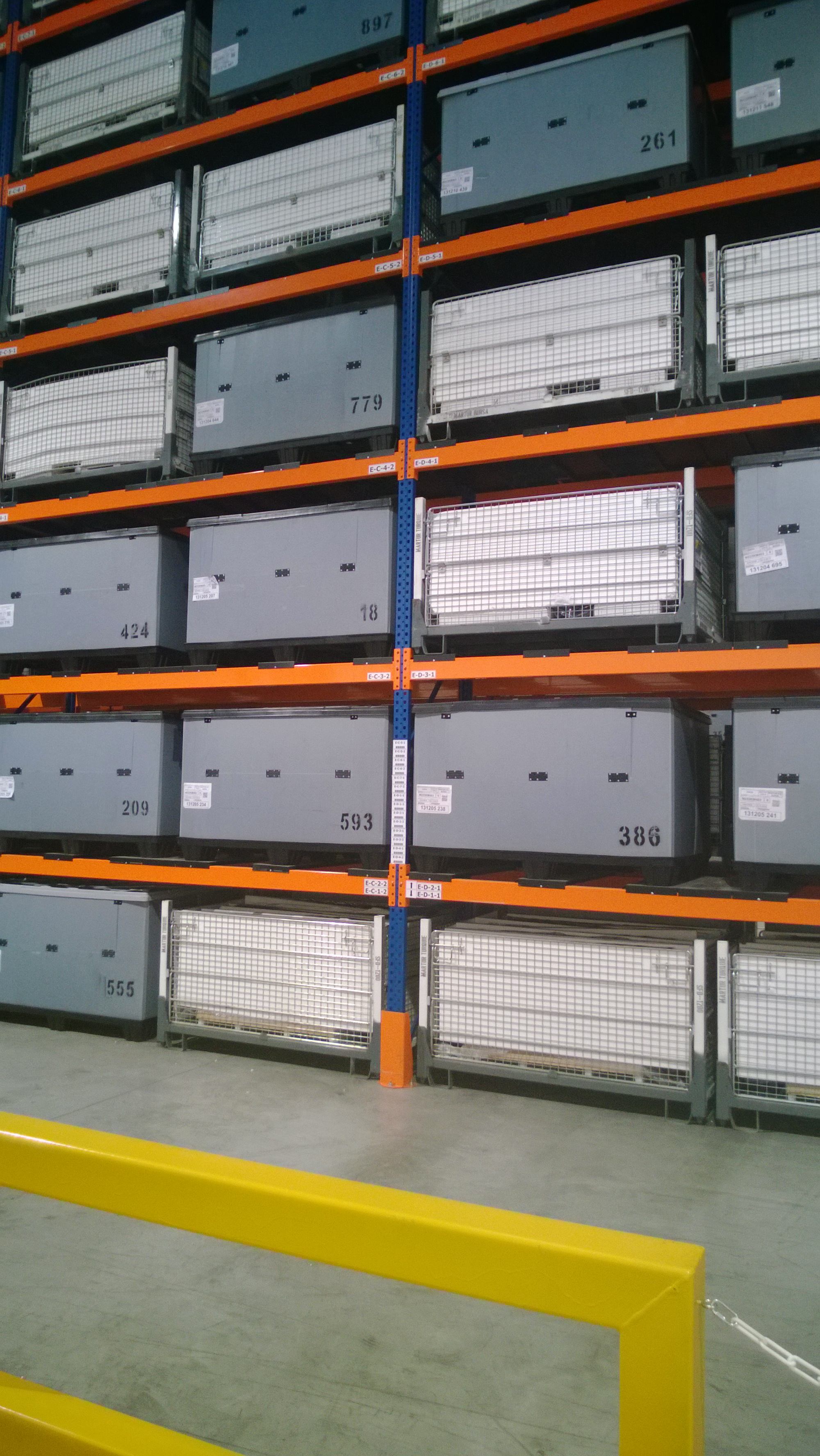
It answers the question of how much of which product is available on which date, both quantitatively and financially. It is recommended to use a dynamic warehouse structure wherever possible. This reduces staff dependency, uses locations more effectively, reduces transportation load and ensures tracking of durable materials. It is integrated with relevant modules. Analysis reports such as stock turnover rate, inactive stocks, and material usage can be obtained.
It can be thought of as orders given to production. Mold is used for parts produced with mold, machine is used for parts produced with machine, assembly order is used for works performed. There are retouching, finishing, sorting and recovery orders. According to the order balance status and management policies, the stocks of the relevant departments are displayed on the screen and work can be requested accordingly. It is integrated with the relevant departments and analysis reports can be obtained. Work orders can be closed according to production quantity or manually. If requested, when the work order is opened, automatic request slips are created for the relevant departments and they can be displayed on the andon screens.
With the data obtained from production timesheets and MES system, analysis reports can be obtained according to different perspectives such as personnel, personnel mold, personnel mold, personnel machine, personnel stock, personnel error, personnel stop, mold, mold machine, work order. One of our recommended performance reports is the ratio of the time obtained by multiplying the paid times for periodic wages, lost times, loaned labor and production quantities according to theoretical times.
Material requirements can be calculated for 52 periods according to customer orders. The period when the material runs out is shown. Since the materials needed for purchasing are separated by company, semi-automatic purchasing requests or orders can be opened. The resulting requirements can be priced.
It is calculated which finished product, semi-finished product and materials will be needed according to the order balances, sales, import from Excel and manual entries. The current semi-finished product quantities are not taken into account in the requirements. It is the raw requirement obtained by multiplying the product trees by the quantity.
Two separate calculations are made on the basis of mold and assembly. When stock quantities are taken into consideration, if the finished product and semi-finished product quantities are sufficient, sub-breakdowns for material requirements are not taken into account. It is a more realistic material requirement planning. Machine loadings are made according to criteria in order to give an idea. Capacity status analysis is made.
It can be seen as an estimate of what will be produced when. It works integrated with MES systems. If used appropriately, it provides efficiency. It reduces losses in preparation stages. It does not provide 100% planning.
Theoretical cost product trees, section or average labor costs are taken into consideration and cost calculations are made. Sales prices can be compared with cost, sales price and material cost ratios used.
Stage cost is costed for each operation and goes to the next operation as costed. Since instant cost (latest invoice, latest wage, latest energy, depreciation, general expense etc. information) is formed, it is not affected by alternative material usage. It provides more accurate information.
The cost of goods sold is an accounting calculation method. Consumptions are calculated by taking into account the product trees of the beginning of the period, the end of the period, purchases during the period, production during the period, sales during the period. Work order consumptions can also be taken into account. Actual consumptions can be compared with theoretical consumptions. These are priced according to average or last purchase prices. In fact, it is a good self-control system that controls production values.